

The Role of SIL 2 Compliance in Reducing Industrial Insurance Premiums
A business-focused overview for plant managers and finance teams — how adopting SIL 2-rated safety instrumented functions (SIFs) and documented gas-detection programs lowers operational risk and strengthens insurer negotiations.
Audience: Plant managers, safety & procurement
Focus: SIL 2 impact on premiums
Scope: Gas detectors, SIFs, insurer engagement
Executive summary
SIL (Safety Integrity Level) quantifies the reliability required of safety instrumented systems. SIL 2 represents a demonstrated reduction in risk via controls whose average probability of failure (PFDavg) lies roughly between 1×10⁻2 and 1×10⁻1. For insurers, that measurable reduction in failure probability — when backed by documentation, testing and maintenance — translates into a lower residual risk and can support premium discounts or better terms.
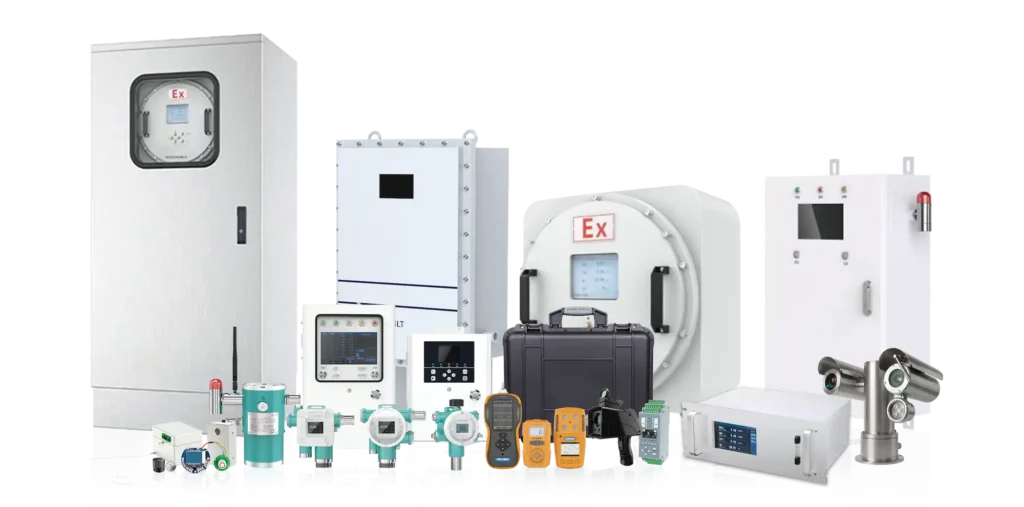
How SIL 2-rated gas detection reduces insurer risk
Insurance underwriters evaluate both frequency and consequence of loss events. SIL 2-rated equipment and the processes that support it reduce both elements in several ways:
- Proven reliability: defined PFD ranges show underwriters that safety functions meet an accepted probability of failure target.
- Layered protection: when SIL 2 SIFs are combined with detection, alarm tiers and procedural controls, the chance of a catastrophic escalation falls materially.
- Traceable maintenance: calibration, proof testing and documented maintenance reduce silent failures — a key concern for insurers.
- Faster detection & mitigation: integrated SIL-rated detectors trigger automated mitigations (ventilation, shutdown) that limit incident consequence and claim size.
What insurers look for — the evidence that matters
| Insurer concern | Documentation that addresses it |
|---|---|
| How likely is a safety function to fail? | PFD/PFH calculations, third-party SIL assessment, test reports and FMEA results. |
| Are safety actions reliable and timely? | End-to-end SIF test records, time-to-act metrics, and supported automation sequences. |
| Is the program maintained? | Calibration logs, proof-test schedules, spare-parts policy, and technician training records. |
| Is there independent verification? | Third-party audits, notified-body reports, and evidence of periodic reassessment after changes. |
Cost vs. benefit — framing SIL 2 investments for finance teams
Investment in SIL 2-rated detectors and SIFs carries upfront cost. Presenting the ROI to finance requires translating reduced failure probability into expected loss reduction. Practical messaging that resonates with insurers and CFOs:
- Model expected annual loss before/after SIFs — reductions in incident frequency and severity lower expected claims.
- Estimate downtime avoided thanks to faster automated responses — translate to production value preserved.
- Show avoided capex from incident-driven repairs and regulatory penalties.
Practical tip: ask your insurer what evidence they require for premium consideration. Different underwriters prioritize different artifacts — some want third-party SIL verification, others accept detailed in-house PFD calculations plus maintenance logs.
Operational controls that amplify SIL benefits
Insurers reward not only equipment but the program around it. High-impact practices include:
- Documented proof-test and calibration schedules with digital timestamps (cloud logs preferred).
- Role-based access and change-control for safety logic and firmware updates.
- Periodic third-party audits and demonstration tests for critical scenarios.
- Incident investigation and trend analysis to show continuous improvement.
Case example — process plant risk reduction (anonymized)
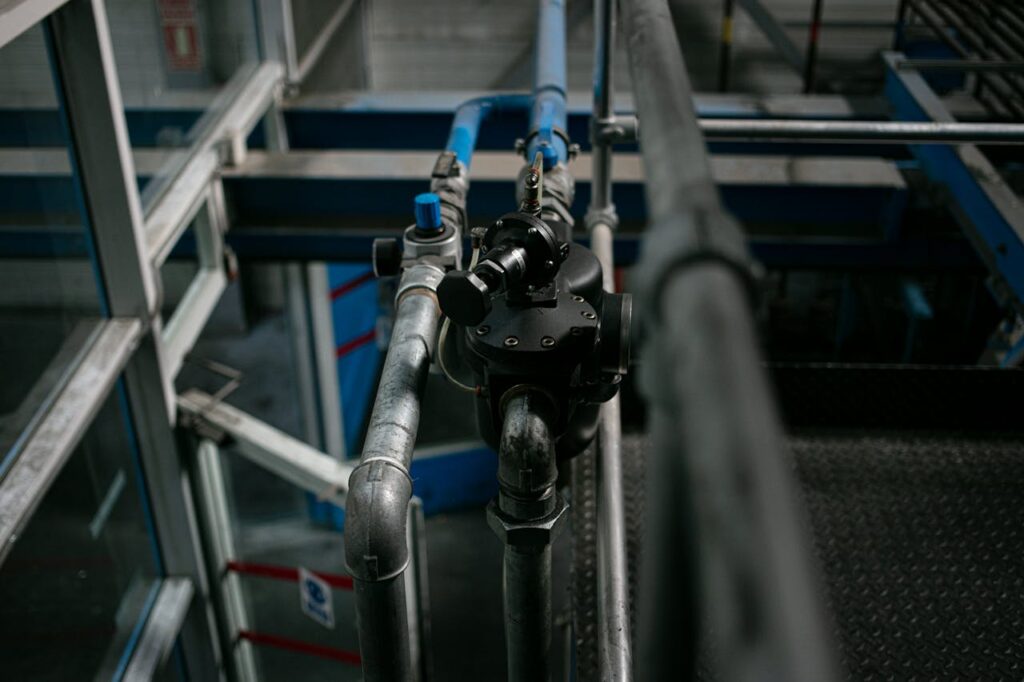
Situation: a mid-sized chemical plant installed SIL 2-rated gas detection SIFs on critical vapor lines and automated ventilation/shutdown actions. Evidence delivered to their insurer included:
- SIL assessment report and PFD calculations
- 12 months of proof-test logs (cloud-backed) showing >99% on-time maintenance
- Third-party commissioning report and simulated trip tests
Result: insurer approved revised risk profile and offered improved terms on the plant’s operational liability policy after review — the negotiation hinged on traceable maintenance and third-party verification rather than hardware brand alone.
How HighSeek supports insurer conversations
HighSeek assists customers beyond product delivery:
- Supply of SIL 2-capable detectors and validated installation guidelines.
- Packaged technical files: PFD inputs, architecture diagrams, and recommended proof-test intervals.
- Cloud-backed logs and exportable reports for insurer submission.
- On-site commissioning and third-party test coordination on request.
Practical checklist to prepare for insurer review
1) Collate SIL assessment and PFD documentation for safety functions. 2) Export calibration and proof-test logs covering the past 12 months. 3) Obtain commissioning and third-party witness reports. 4) Present redundancy, automated mitigations and emergency response SOPs. 5) Request insurer feedback and address documentation gaps promptly.
Final advice — evidence drives outcomes
Insurers respond to measurable reduction in residual risk. SIL 2 compliance is not just a technical badge — it is persuasive evidence when paired with disciplined maintenance, third-party checks and clear reporting. Treat certification and operational discipline as a single program: the equipment, the people and the records together create the case for better insurance terms.
Published by HighSeek Technology. Keywords: SIL 2, insurance, safety instrumented systems, gas detection, risk management. For financial projections or insurer templates, contact HighSeek for assistance—our team can supply exportable evidence packages for underwriter review.