

Confined Space Entry: Essential Safety Protocols for Mining & Tunneling
Focused guidance for safety officers on effective use of portable and fixed gas detection systems in restricted underground and tunnel environments.
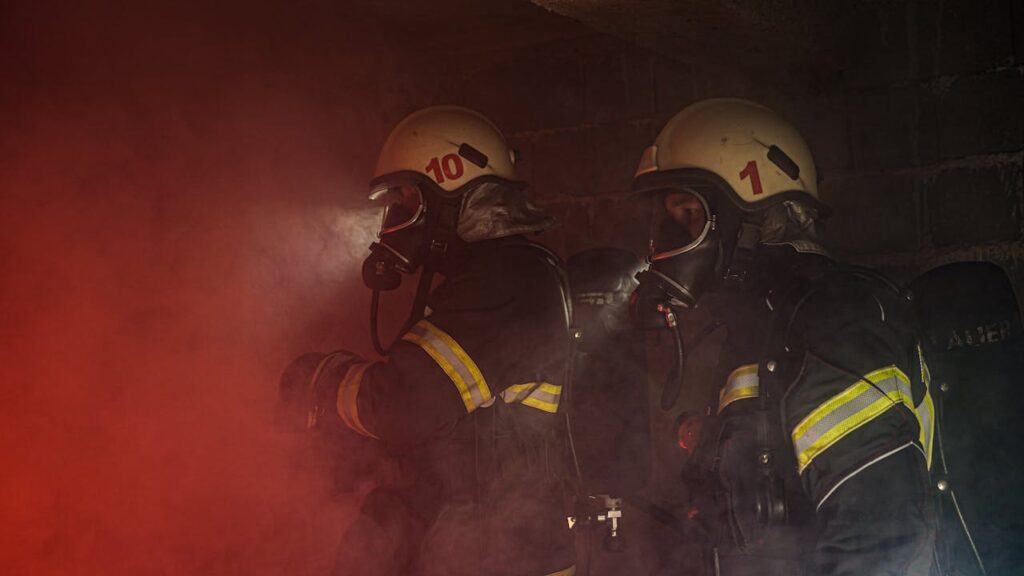
Scope: Mining shafts & tunneling projects
Focus: Atmosphere monitoring & worker protection
Duration: Best-practice procedures
Executive summary
Confined spaces in mining and tunneling can quickly develop hazardous atmospheres: oxygen depletion, explosive gases, or toxic contaminants. This case study provides practical protocols—sensor selection, placement, calibration, and entry procedures—so safety officers can reduce risk and pass regulatory inspections with confidence.
Common confined-space hazards in mining & tunneling
- Oxygen-deficient atmospheres caused by rusting, ventilation failure or biological activity.
- Accumulation of methane (CH4) or other flammable gases—explosion risk.
- Toxic gases such as carbon monoxide (CO), hydrogen sulfide (H2S) or diesel exhaust.
- Sudden atmosphere changes caused by equipment operation, blasting or water ingress.
Practical protocol for safety officers
Follow these clear steps each time a confined-space entry is planned:
- Pre-entry survey: Perform a remote scan using fixed monitors and a multi-gas portable unit at the opening and at progressive depths before personnel enter.
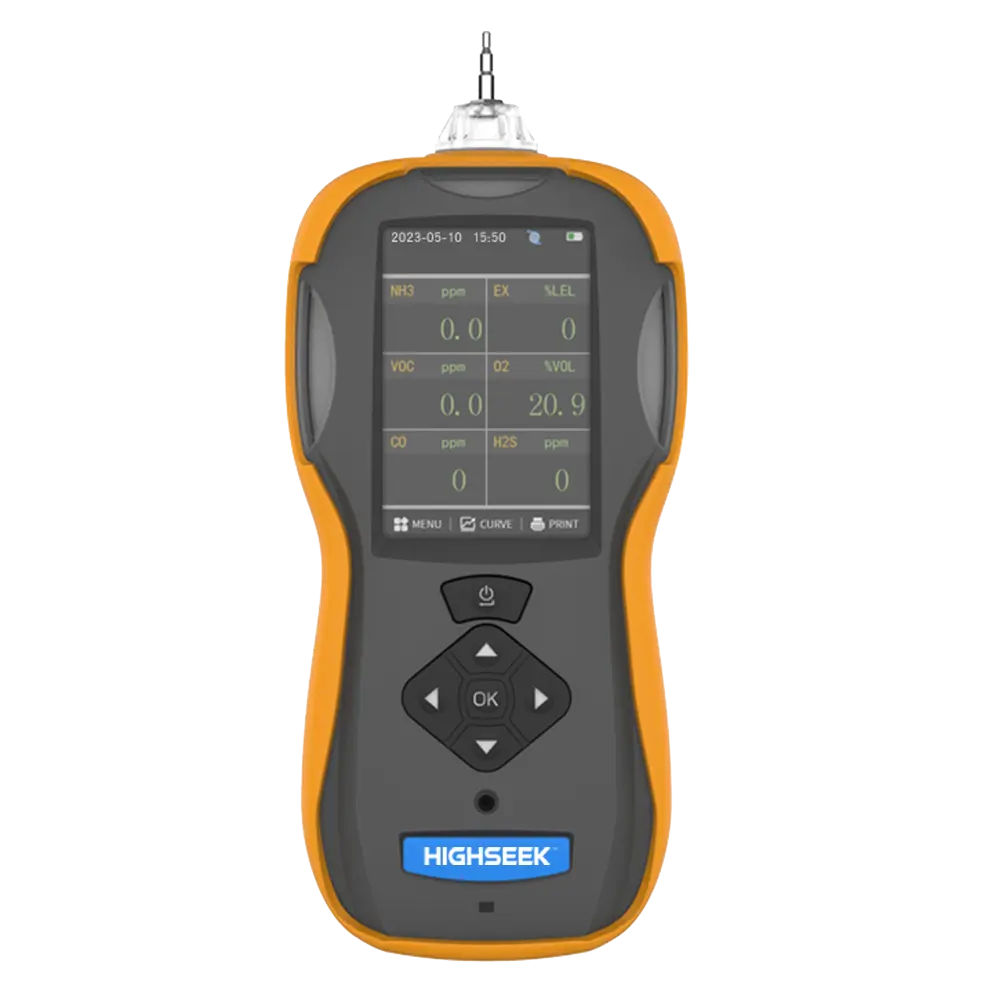
- Sensor selection: Carry a calibrated multi-gas portable (O2, LEL, CO, H2S) and confirm fixed detectors cover CH4 and ventilation intakes.
- Acceptance criteria: Do not permit entry unless O2 is between 19.5–23.5%, LEL <10% of lower explosive limit, and toxic gases below defined short-term exposure limits (STELs).
- Continuous monitoring: Use a wearable portable alarm on the entrant and maintain a watch person with a distinct alarmed tether or reliable comms and real-time telemetry when possible.
- Ventilate and verify: If readings are out of range, ventilate from an external source and re-test at intervals until safe.
- Calibration & bump tests: Perform bump tests at shift start and full calibration per manufacturer schedule; log each test with timestamps.
- Post-entry debrief: Document readings, anomalies, and corrective actions; update permit and maintenance records.
Sensor placement & mounting tips
Confined spaces can stratify gases—lighter gases rise, heavy gases settle. Apply these placement rules:
- Mount fixed LEL/CH4 sensors near potential gas sources and at higher points for methane-aware sites.
- Place H2S and CO detectors close to worker breathing zones and low points where heavy toxic gases may collect.
- Use multiple sampling points and temporary ducting for long tunnels or when ventilation patterns are uncertain.
- Where possible, stream portable monitors on poles to sample ahead of personnel for the safest reading.
Integration with procedures & technology
Link detectors to permit workflows and incident response:
- Integrate fixed detectors with site SCADA or cloud dashboards for real-time alerts accessible to supervisors.
- Map alarm tiers to clear actions: advisory, evacuate, and emergency shutdown.
- Use geotagged mobile logs and cloud telemetry to speed incident review and regulator reporting.
Training, maintenance and recordkeeping
Human factors matter:
- Run regular drills that include detector failures, false-positive scenarios and communication breakdowns.
- Keep calibration records, bump-test logs and permit history centralized for audits (MSHA/OSHA or local authority).
- Ensure battery and sensor life cycles are tracked; replace sensors that drift beyond manufacturer tolerances.
Outcome examples & benefits
Practical adoption of these protocols delivers clear outcomes:
- Reduced number of near-miss incidents due to earlier detection of hazardous atmospheres.
- Faster, safer entries with fewer shutdowns from unverified alarms.
- Improved audit-readiness and reduced liability through consistent recordkeeping.
Recommended equipment checklist
- Portable multi-gas detector: O2, LEL (methane), CO, H2S — bump-test daily
- Fixed LEL/CH4 detectors: intrinsically safe, alarm relays to the central panel
- PID or VOC sampler: for diesel or solvent detection where relevant
- Wireless telemetry: MQTT / cloud bridge for supervisor dashboards
- Personal alarm beacons and two-way comms for entrant and attendant
Regulatory references
Follow local regulations and industry standards. In the U.S., consult OSHA confined space (29 CFR 1910.146) and MSHA guidance for mining operations. International projects should align with regional mine safety authorities and ISO guidance where applicable.
Want a technical review customized to your site?
If your team needs a confined-space monitoring audit or a pilot deployment, HighSeek Technology offers site surveys, equipment selection, and training packages tailored to mining and tunneling projects.
Published by HighSeek Technology. Keywords: confined space entry, mining safety, tunnel gas detection, portable gas monitor, fixed detector, O2 monitoring, methane detection.