

A Comprehensive Guide to Gas Detector Calibration & Bump Testing
A practical how-to for safety managers: maintain reliable gas monitoring with clear procedures, schedules, and recordkeeping. HighSeek supports training, on-site audits and compliance-ready documentation.
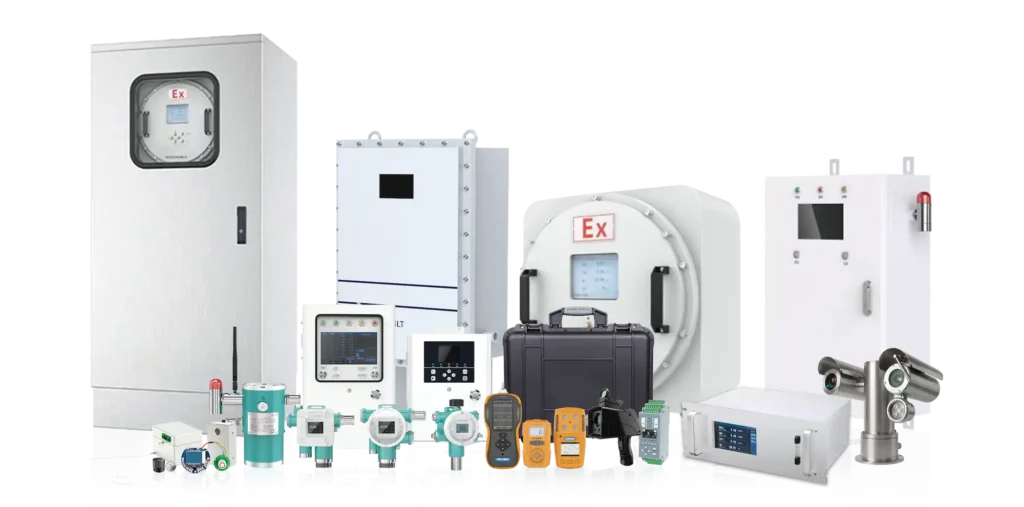
Audience: HSE Safety officers & maintenance teams
Scope: Portable & fixed gas detectors
Goal: Reliable readings and audit readiness
Why regular calibration and bump testing matter
Gas sensors drift with age, contamination and environmental stress. Bump tests (functional checks) confirm alarms respond to known gas concentrations; calibration adjusts sensor output against certified reference gases. Together they ensure workers and sites can trust detector readings—crucial for incident prevention and regulatory compliance.
Quick definitions
- Bump test: Expose the detector to a known concentration of test gas to verify alarm and sensor responsiveness. Fast, done before shift or use.
- Calibration: Adjust sensor outputs to match certified gas concentrations—performed per manufacturer schedule or when drift is suspected.
- Span gas: The known concentration used in calibration (e.g., 50 ppm CO, 100 ppm H2S, 100% LEL methane reference mixtures).
Step-by-step bump test (portable detectors)
- Inspect unit visually: housing, sensor ports, battery, and safety labels.
- Confirm last calibration date and bump-test log on the device or cloud record.
- Attach test gas cylinder and regulator or use an approved test station. Use tubing to direct gas to sensor inlets.
- Apply gas for the manufacturer-recommended duration or until the alarm triggers. Note response time and alarm type.
- Remove gas and allow the detector to clear back to ambient readings.
- Record results: pass/fail, concentration used, technician, time and any comments. If fail, quarantine unit and tag for calibration/repair.
Step-by-step calibration (when required)
- Follow the manufacturer’s calibration procedure—many devices offer guided calibration via menu or desktop software.
- Use certified, unexpired calibration gases matched to sensor type and concentration. Verify regulator flow settings.
- Allow detector to stabilize in a clean-air environment before span gas exposure.
- Introduce span gas at prescribed flow and duration; observe sensor reading and apply adjustment if needed.
- Perform zero check (clean air) and span check after adjustment to confirm accuracy.
- Log calibration certificate details: gas lot numbers, concentrations, technician, instrument serial and follow-up date.
Recommended schedules & triggers
- Daily: bump test portable detectors before each shift or before critical entries.
- Monthly/quarterly: formal calibration for routinely used portable units—follow manufacturer guidance and site risk profile.
- Fixed detectors: bump-test verification quarterly and full calibration annually, unless environmental conditions require more frequent checks.
- Triggers for immediate calibration: failed bump test, post-exposure to high concentrations, suspect sensor drift, or after repair.
Recordkeeping & audit readiness
Maintain a centralized log (cloud or local) capturing:
- Device ID, model and serial
- Bump test results with pass/fail, technician and timestamp
- Calibration certificates: gas lot, concentration, expiry, technician signature
- Service history and sensor replacements
HighSeek’s cloud platform can automate reminders, store certificates, and present exportable reports for regulators.
Common mistakes to avoid
- Using expired or uncertified gas cylinders—this undermines calibration validity.
- Skipping bump tests due to time pressure—small savings can cause large risk.
- Failing to log failures—without records, trends and root causes are hidden.
- Overlooking environmental effects—cold, humidity and contamination affect some sensors more than others.
Practical checklist (paste into work order)
- Pre-check: battery, ports, physical damage
- Bump test: gas type & concentration, alarm response, duration
- Calibration: zero, span, adjustment, verification (if required)
- Log: device ID, result, technician, next due date
- Tag failed units: out-of-service with clear instructions
Training & on-site support
Effective programs combine hands-on training with accessible records. HighSeek offers:
- On-site bump test and calibration workshops for teams
- Template logs and digital forms for audit-ready recordkeeping
- Remote health checks via cloud-connected detectors
Conclusion — partner, not just supplier
Reliable gas monitoring is the result of correct equipment, disciplined procedures and clear records. HighSeek partners with safety teams to build sustainable programs—training staff, supplying certified gases and instruments, and providing cloud tools to keep your program audit-ready.
Published by HighSeek Technology. Keywords: gas detector calibration, bump test, gas monitor maintenance, HighSeek support.