marine

Working in the marine sector is inherently hazardous, presenting a unique set of challenges—from navigating severe weather and extreme temperatures to operating in cramped, humid, and demanding environments.
Beyond the physical elements, the invisible threat of toxic and volatile gas accumulation poses a constant danger, especially within enclosed areas like cargo holds, engine rooms, ballast tanks, and fuel tanks. These high-risk zones demand rigorous, reliable monitoring to prevent disaster.
At HighSeek, we are specialists in marine gas detection. We provide a comprehensive range of certified products specifically engineered to withstand the rigors of the sea, ensuring the safety of your crew and assets both onshore and offshore.

Silhouette of a construction worker using a blowtorch at a building site against a crane-filled skyline.

Discover Gas hazards

marine

  • Cargo-Related Volatile Gases: Hydrocarbons (LEL), LNG, Chemical Vapors (Methanol or Benzene)
  • Toxic Byproducts and “Silent Killers”: H2S, CO, Fumigants (Phosphine)
  • Asphyxiant Gases: Inert Gas Systems (IGS), N2, CO2
  • Refrigerant and Fire Suppression Leaks: Refrigerant Gases (Freon/Ammonia)NH3, CO2 systems

The HighSeek Safety Standard

To manage these diverse threats, HighSeek recommends a multi-layered detection strategy:

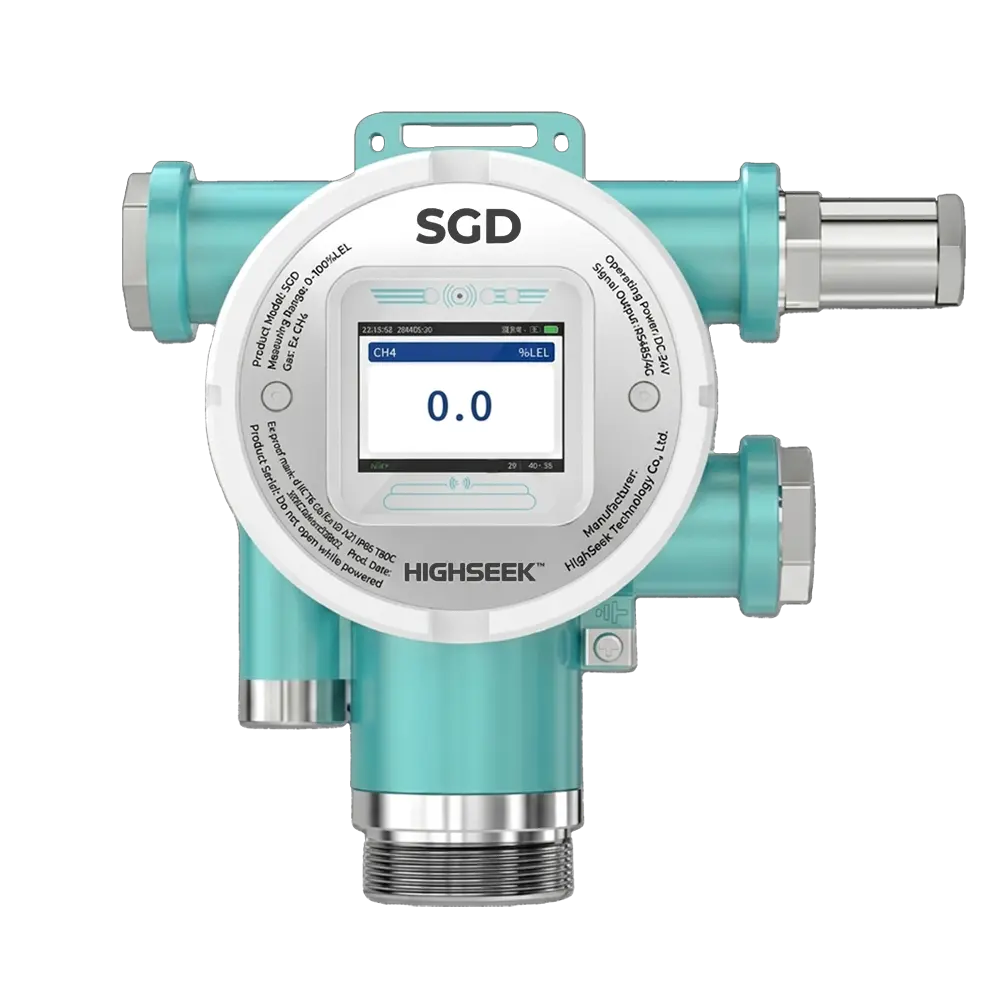
Fixed detection System


Ensure engine rooms and cargo control rooms have 24/7 fixed detection systems integrated with the ship’s alarm bridge.

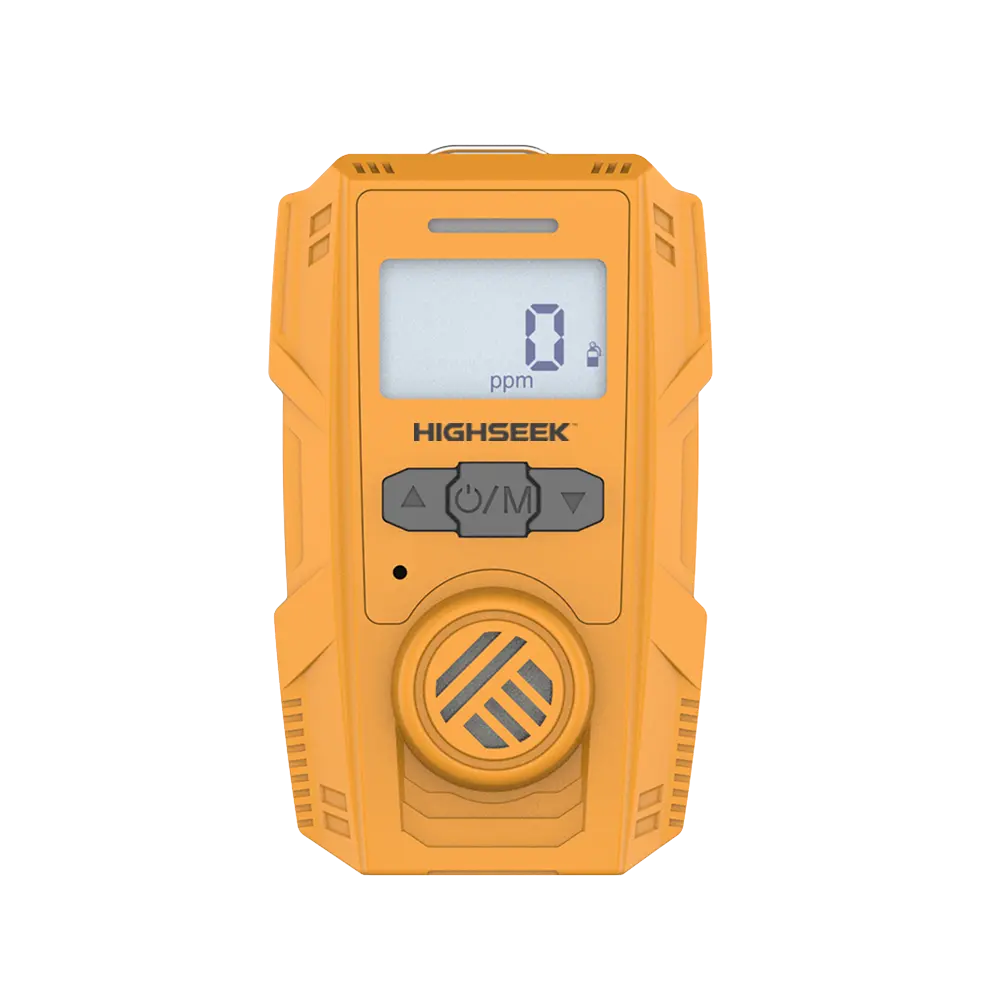
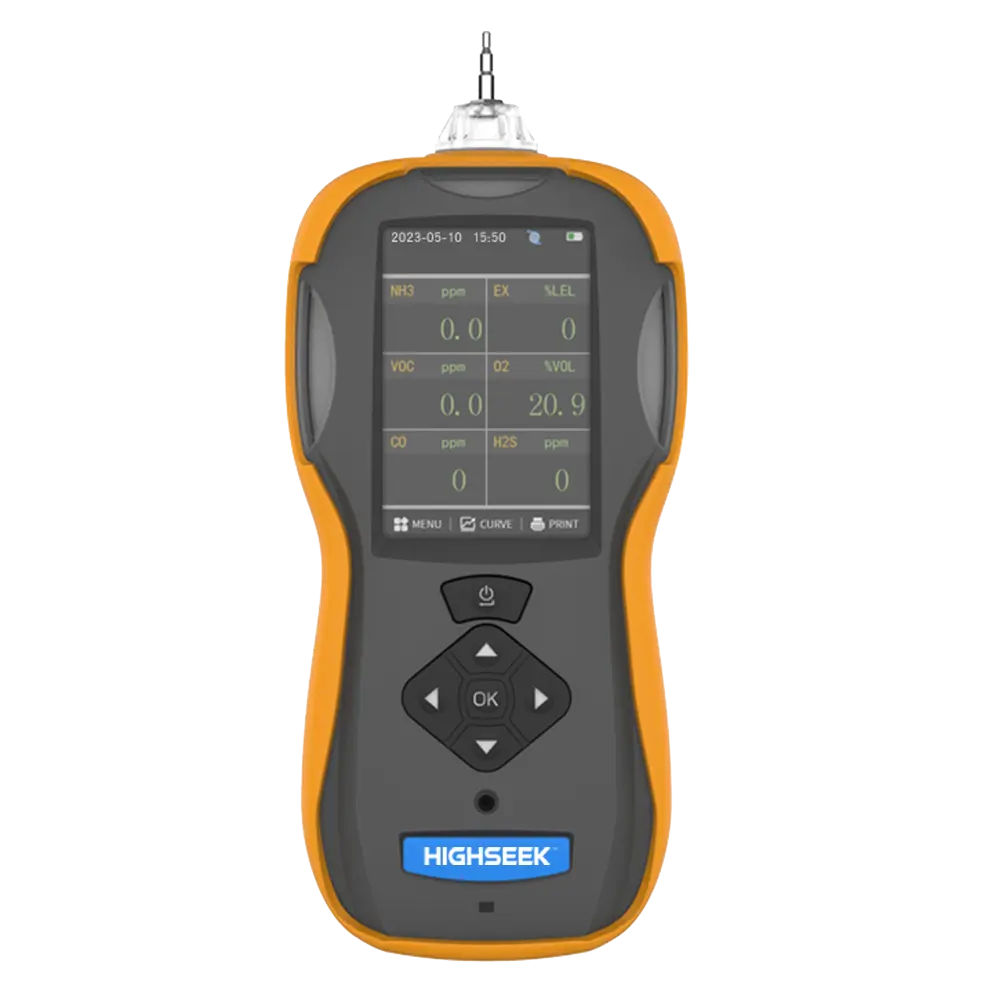
Personal gas detection

Use “Pumped” portable monitors to sample air at different levels (top, middle, bottom) of a hold

Pre-Entry gas Testing

Rigorous “Pre-entry” testing for Oxygen, LEL, and Toxics before any work begins.

Join Us in Safety Excellence

Experience our cutting-edge gas detection solutions and elevate your safety standards today.

Scroll to Top